
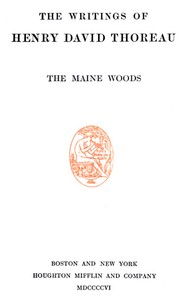
The Maine Woods by Henry David Thoreau
The Story
Thoreau wrote *The Maine Woods* from three real trips he took in the 1850s. Unlike his mellow retreat at Walden Pond, these journeys were messy, wet, and wild. He traveled by canoe and on foot with his companions—one of them a local guide named Joe Polis. The main event? A rugged-as-hell climb up Mount Ktaadn, which felt more like an angry wrestling match with the mountain’s sharp rocks and sudden storms. Along the way, we camp on muddy islands, dodge biting insects, and watch lumberjacks go about their brutal work. But that’s not all. Most of the time is spent paddling and talking. These conversations map out two very different ways of thinking: Thoreau’s intellectual hunger for ‘nature’ experience and Polis’s quiet, practical knowledge. It creates a beautiful tension that makes the whole book crackle with questions about how we see the earth around us.
Why You Should Read It
For a start, Thoreau isn’t a graceful explorer here. It’s refreshing. Goofy mess-ups come along with the big ideas. We see him bored, exhausted, close to panic when lost—he’s no wilderness superhero. That honestly inspires. Plus, his honest look at how industrial thought steals our belonging? Still raw. How he portrays Joe Polis? Worth the read alone—indigenous knowledge comes to life in a very real way, without any saints or savages shortcuts. Today we mostly know all green-lined rivers or save-the-wild posts. Those are nice. But Thoreau gets straight to the discomfort zone: civilization made us uneasy. His style talks aloud, wondering if we need unfamiliarl woods in us so we stay more awake. You walk away from that feeling like cracking sticks under your boots off-page, with a better sense that silence and mud holes had clear warnings we should still bother to hear.
Final Verdict
Perfect for those who liked rugged philosophizing like Jon Krakauer’s *Into the Wild*—but want old-school peace-with-mosquitoes energy. This solid pick for solo hikers searching for green screen detox texts. But even if you’re not outdoorsy (no one’s judging your cozy blanket here), reading Thoreau ramble against pine trees makes quiet evenings feel huge again. Maybe skip modern camping cribs, no need. This book makes any front step feel like part… of deep-coming American mystery — watch for moose shadows at corner.
This digital edition is based on a public domain text. Access is open to everyone around the world.
Linda Williams
9 months agoHaving read the author's previous works, the argument presented in the middle section is particularly compelling. A mandatory read for anyone in this industry.
Robert Taylor
5 months agoI decided to give this a try based on a colleague's recommendation, the language used is precise without being overly academic or confusing. Top-tier content that deserves more recognition.





Barbara Davis
11 months agoWhile browsing through various academic sources, the way it challenges the status quo is both daring and well-supported. I'll be recommending this to my students and colleagues alike.